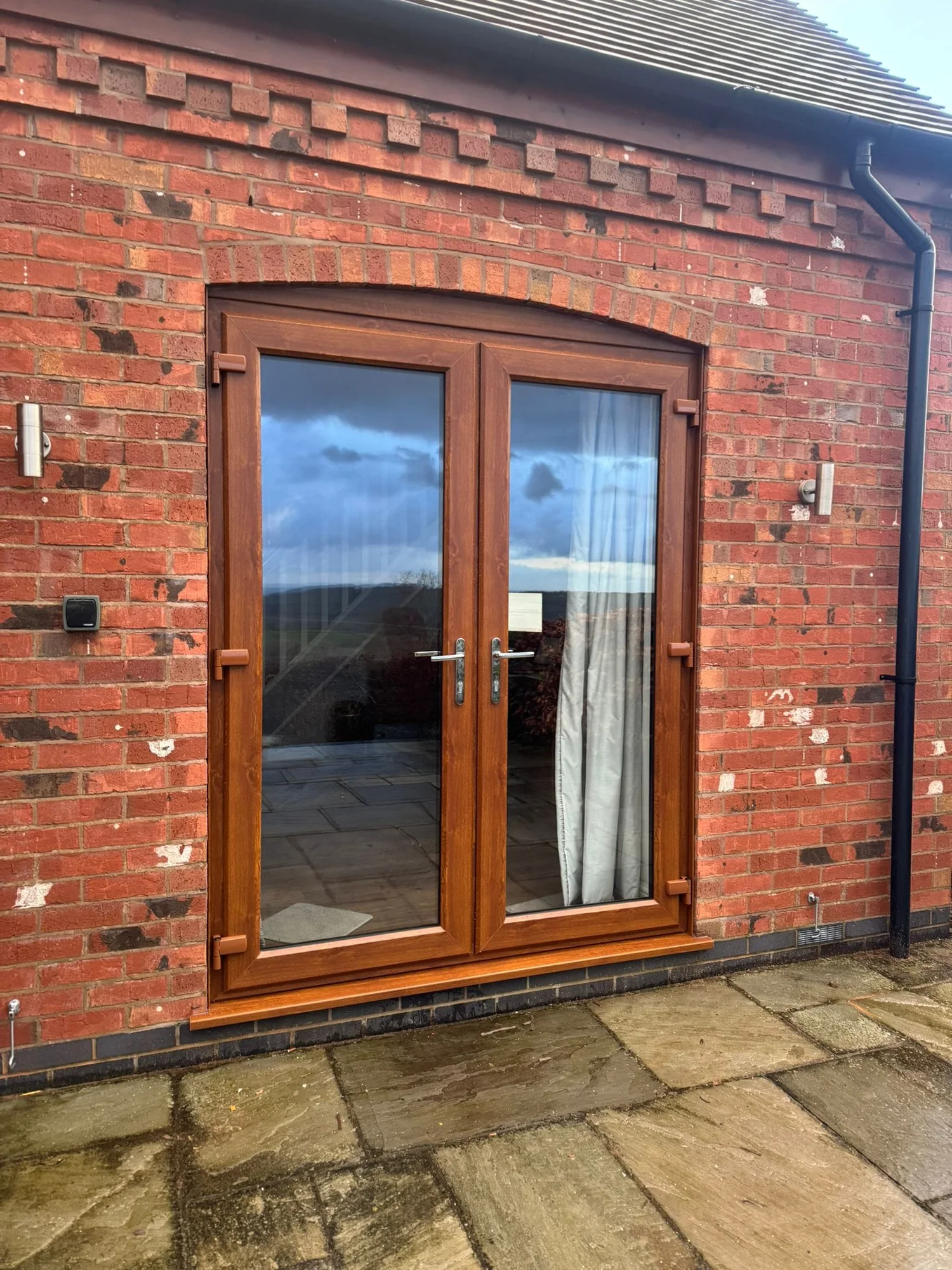
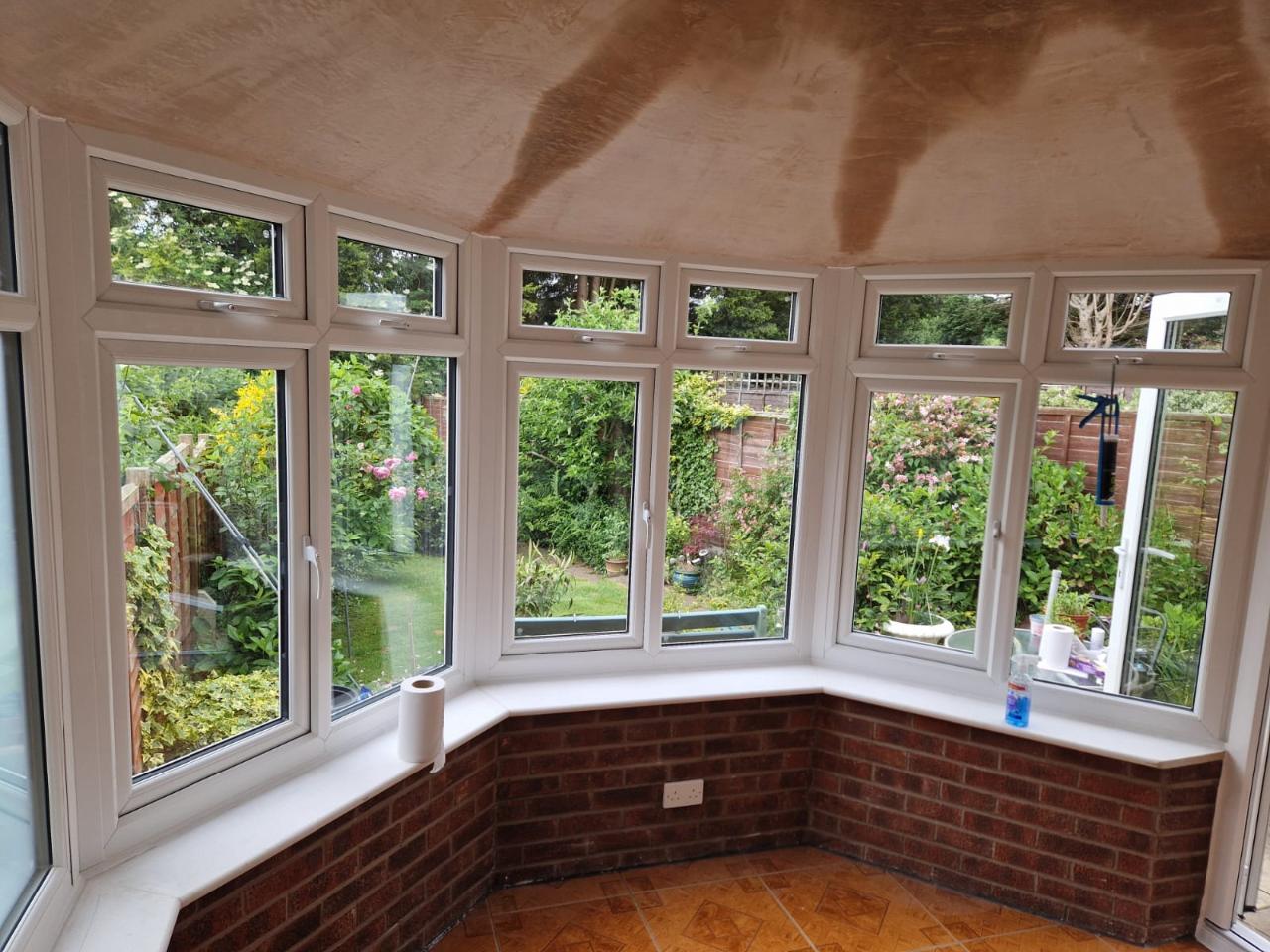
Do not compare the total alone. Create one checklist covering products, glass, openings, finishes, removal, guarantees, payment and timescale, then ask every company to clarify the same gaps.
Turn every quotation into the same schedule
Start with a room-by-room or elevation-by-elevation list before comparing totals. Give each opening a simple reference such as front bedroom left or kitchen rear door, then check that every quotation covers the same items. One missing side panel, fanlight or bay section can create a sizeable price difference that has nothing to do with product quality.
Record whether each pane is fixed or opening, which way it opens and any special requirements such as privacy glass, a low threshold or a suitable escape opening. If a proposal uses only broad phrases such as front windows, ask for a drawing or schedule. You should be able to point to an opening on the house and find its matching specification on paper.
- Opening reference and quantity
- Frame and product style
- Fixed panes and opener directions
- Side panels, fanlights and cills
- Internal and external colours
Compare complete products, not familiar labels
Descriptions such as uPVC, composite door or double glazing identify only a broad product family. Look for the frame system, glass specification, panel construction, seals, hardware, ventilation and finish. A quotation for a white casement window is incomplete if it does not show which sections open, the handle colour or whether visible trickle vents are included.
For glazing, check whether the stated performance relates to the centre pane or the complete window. Note where safety or obscure glass is proposed and whether decorative bars sit inside or outside the sealed unit. For doors, compare the locking arrangement, hinge side, threshold, letterplate, glazing and furniture. Small specification differences can materially affect appearance and daily use.
- Exact frame or door system
- Whole-product performance information
- Glass type in each location
- Locks, handles and hinges
- Background ventilation
- Threshold and accessibility details
Read the installation scope line by line
The product is only part of the job. Establish who removes the existing frames, protects floors and furniture, disposes of waste, seals the new units and finishes the reveals. Terms such as making good can mean anything from applying a narrow trim to repairing damaged plaster, so ask what the installer expects the finished opening to look like.
Bay windows, upper floors, conservatory roofs and wide doors may require specialist access, temporary support or coordination with another trade. Check whether scaffolding, skips, electrical alterations, alarms, blinds, curtain fittings and decoration are included. If hidden decay or damaged masonry is discovered after removal, the quotation should explain how additional work will be discussed and authorised.
- Removal and waste disposal
- Protection of rooms and access routes
- Perimeter insulation, sealing and trims
- Plaster, render or tile repairs
- Scaffolding or lifting equipment
- Treatment of unexpected defects
Understand compliance, guarantees and aftercare
Ask whether the project needs notification and whether compliance will be self-certified through a registered competent person scheme or approved by a building control body. Confirm which completion certificate you should receive and keep it with the property records.
Guarantee length is not the only useful comparison. Identify who provides each guarantee, when it begins and whether glass units, coloured finishes, hardware and installation work have different terms. Establish what maintenance is expected and how an adjustment or fault is reported. An insurance-backed policy, if offered, is different from the installer or manufacturer guarantee, so read each document separately.
Examine payment terms and the project process
The written price should state whether VAT is included, how long the quotation remains valid and what could change the total. Review the deposit, stage payments, cancellation terms and the final-balance date. If the contract is agreed online, by telephone or away from the trader's premises, ask for the statutory cancellation information in writing. Rights and exceptions, including for genuinely made-to-specification goods, depend on the contract. Do not rely on verbal additions or promises. If the specification changes, request a revised written total before manufacture or extra work begins.
Made-to-measure products need a final survey and manufacturing period, while installation dates can be affected by access, weather and preceding jobs. Ask what happens between accepting the quotation and installation: who completes the survey, when drawings are approved, how changes are recorded and how delays are communicated. A realistic process is more useful than an unusually precise date offered before the survey.
Notice warning signs before committing
Be cautious if a salesperson discourages written questions, cannot explain the specification or makes a substantial discount dependent on signing immediately. Another warning sign is a quotation that gives a detailed product total but says almost nothing about fitting and finishing. Time to review the documents is valuable because manufactured items may be difficult to alter later.
Check the company identity and trading details on the quotation, not just the brand names in a brochure. Look for recent examples of comparable work and consider how clearly questions are answered. A professional discussion should leave you understanding what is proposed, what is excluded and what happens next, even if you decide not to proceed.
Use a final comparison sheet
Once every gap has been clarified, place the quotations side by side and mark each requirement as included, excluded or unclear. Account for known exclusions before choosing the lowest headline figure. A detailed proposal may reduce the risk of later extras, but detail alone does not prove that every choice is right for the house.
Before accepting, reread the final drawings and specification without the salesperson present. Review opening directions from inside and outside, colours on both faces, glass locations, door swing, threshold and finishing. Request corrections in writing. Your decision can then balance suitability, confidence, aftercare and price using the same information for every company.
Common questions
Frequently asked questions
Why can two double-glazing quotations differ so much?
The quotations may cover different products, glass, opener layouts, access arrangements or finishing work. Compare a matching schedule first. If the scope is genuinely equivalent, differences may then reflect the system, installation approach, overheads, aftercare and commercial pricing.
Should a quotation name the window or door system?
It should identify the proposed product clearly enough for you to verify the relevant specification. A brand name alone is not sufficient because glass, hardware, colour and configuration can vary within the same range.
What does making good normally include?
There is no useful universal definition. It may cover trims and sealant only, or include limited repairs to plaster, render or surrounding finishes. Ask the installer to state exactly what will be repaired, decorated or left for another trade.
Is the cheapest quotation necessarily poor value?
No. A lower price can still represent a suitable proposal, but only after omissions and specification differences have been ruled out. Judge the complete product, fitting scope, paperwork and aftercare alongside the total.
Guidance checked
Sources and further guidance
These sources were reviewed on 15 September 2026. Requirements can vary by property and project, so obtain project-specific advice before committing to work.
Talk it through
Advice is most useful when it is applied to the property
Prime can assess the opening, explain suitable options and provide a written quotation without pressure to make an immediate decision.