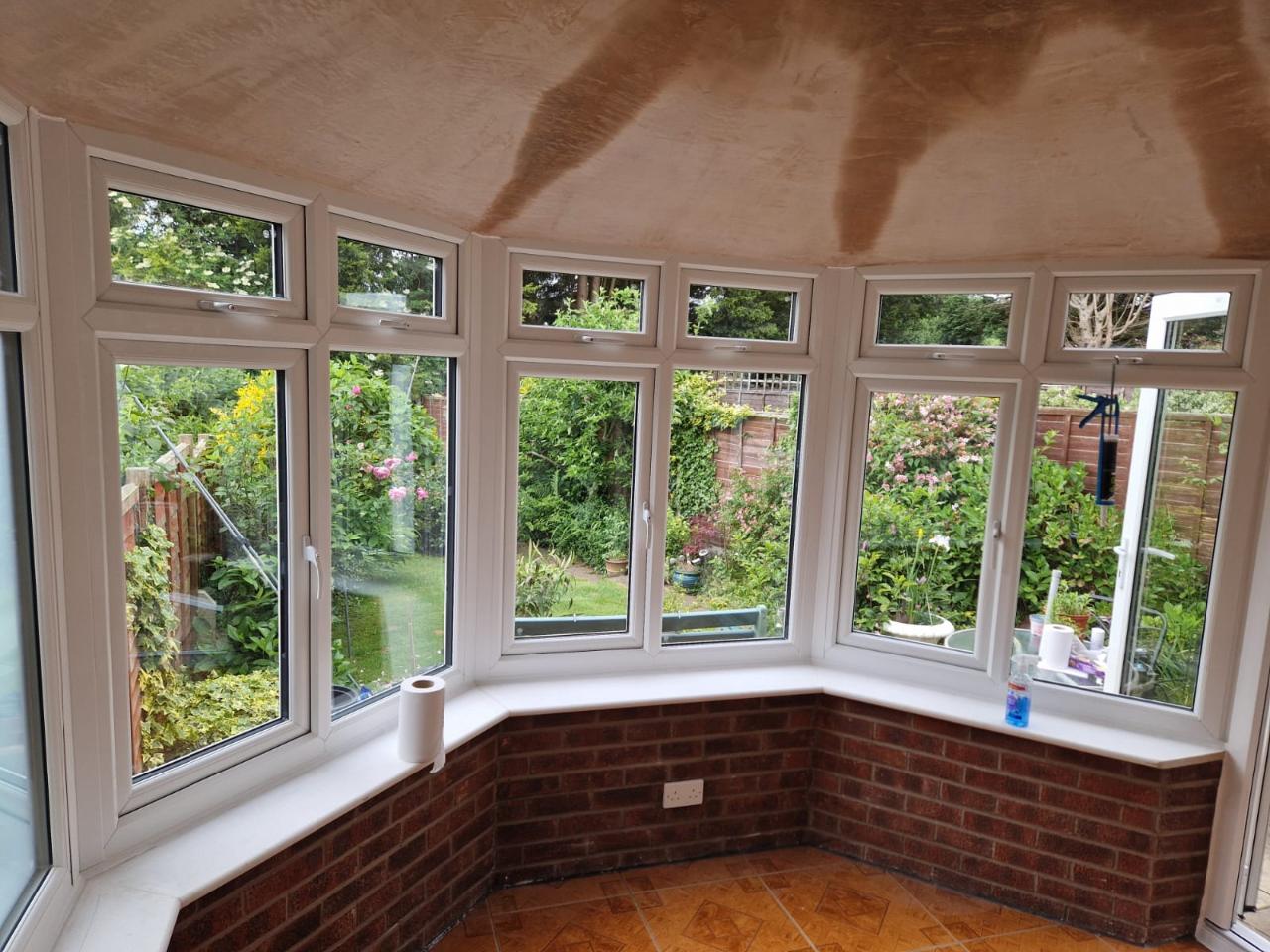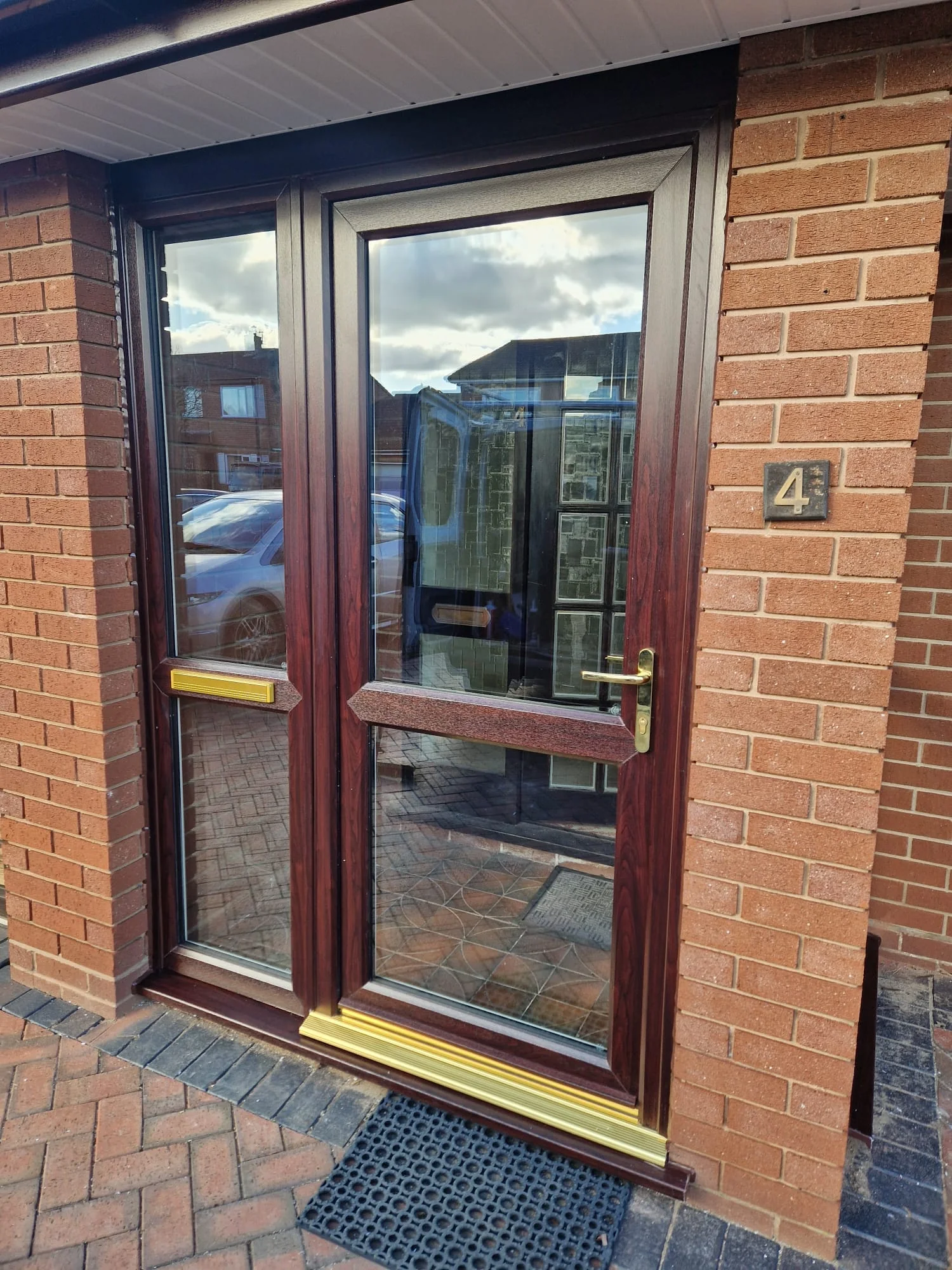
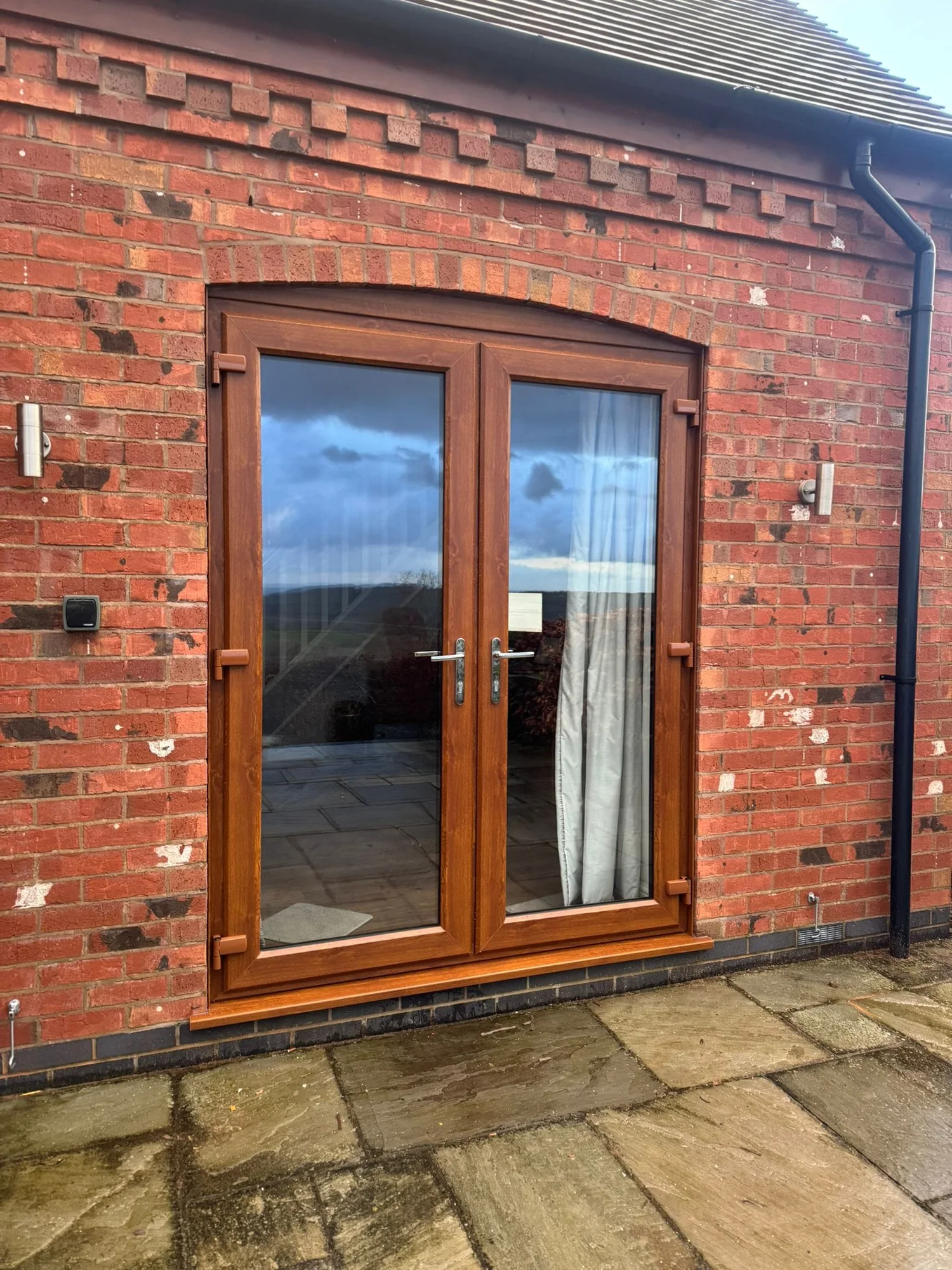
Clear access before the team arrives, protect delicate belongings, keep children and pets away from working areas and check every opening with the installer before final handover.
Settle the plan before the team arrives
Review the installation date, expected arrival window and which rooms are included. A larger project may run across several days, so request the likely sequence because every opening will not necessarily be removed together. Weather and concealed site conditions can affect the programme, but you should still know the intended order.
Make sure the company has a contact number that will be answered on the day. Explain parking restrictions, narrow access, permit arrangements, gates, alarms and any time when the property cannot be accessed. If scaffolding or other equipment was agreed, establish who is arranging it.
Read the final schedule once more. Room names, frame colours, opening directions, privacy glass and hardware should match what you approved. Raise a discrepancy before removal begins, when it is much easier to investigate.
- Date, arrival and likely sequence
- Parking and carrying route
- Rooms and openings included
- Alarm, gate and key arrangements
- Named contact for decisions
Prepare each room and the access route
Move curtains, blinds, ornaments and furniture away from the opening by the amount agreed with the company. If a large wardrobe, fitted desk or delicate item cannot be moved, mention it in advance. Installers need enough space to handle frames and tools without working over valuables.
Take pictures, mirrors and fragile decorations down from nearby walls because removal can cause vibration. Cover or relocate electronics and soft furnishings that could collect dust. The fitting team may provide floor and surface protection, but householders should still put away small, valuable and irreplaceable items.
Clear a route from the external unloading point to every work area. Move bicycles, plant pots and trailing cables, and reserve a sensible space for new products and removed frames if requested. Do not block fire exits while creating storage space.
Keep people and animals away from work areas
An opening without its window or door, sharp fragments, power tools and moving frames create temporary hazards. Children and pets should be kept in a separate secure area, away from both the room and the carrying route. A closed internal door is more reliable than repeatedly asking a pet to stay back.
Tell the team if anyone in the home has mobility, sensory or respiratory needs that affect how the work should be sequenced. Dust cannot be eliminated entirely during removal, so a person who may be particularly affected may prefer to stay away from the immediate area after taking appropriate advice.
Plan around doors that provide the usual entrance, school runs, deliveries, medication or access to a bathroom. If you work from home, assume there will be intermittent noise and that the room being fitted will not function normally.
- Secure pets before the first exterior door opens
- Keep children out of tool and material routes
- Move medicines and daily essentials in advance
- Tell the installer about vulnerable occupants
- Agree which entrance remains available
Walk through the job at the start
When the team arrives, identify each opening against the schedule. Point out alarm sensors, concealed cables, shutters, valued tiles and surfaces that need particular care. Tell the team about known hazardous material or previous specialist advice, and show the agreed power and water access if required.
The installer may inspect delivered products and openings before removal. This is a sensible point to confirm handing, glass patterns and visible colours. If material that could contain asbestos is encountered, work in that area should stop immediately. Keep others out, then have the material identified, or assume it is asbestos and obtain competent advice, before work resumes.
Understand removal and opening preparation
The old frame is removed using a method suited to the material and surrounding opening. Even careful work can disturb local plaster, sealant or decoration. The amount of making good included should already be defined in the quotation.
With the frame out, previously hidden areas become visible. The installer can check the substrate and identify issues such as loose material, decay or old water staining. Not every concealed defect can be predicted by a non-invasive survey.
If additional work is proposed, find out what has been found, why it matters and whether it changes the agreed installation. Photographs are useful when the area will soon be covered. Authorise a clear written variation instead of relying on a hurried verbal assumption.
What happens as the new product is fitted
The replacement frame is positioned, checked and secured using the method appropriate to the system and opening. Glass, opening sashes or door leaves are completed as required, then handles, locks and other hardware are operated and adjusted.
The perimeter is sealed and finished using the agreed trims or making-good approach. Installers should clear work debris and deal with old products as agreed, but general redecoration, specialist plaster repair or refitting blinds is included only if the written scope says so.
Carry out a calm room-by-room handover
Operate every moving part with the installer. Open and close windows, lock doors, test the traffic door in a bi-fold set and inspect restrictors and trickle ventilators. Request a second demonstration if a handle sequence is unfamiliar. Never force it to imitate the old product.
Inspect visible glass and internal and external finishes from normal viewing positions. Count the keys, review accessory positions and look at the transition by door thresholds. Record any item needing follow-up in writing, with a photograph where useful; memory at the end of a busy day is not dependable.
Find out how to clean the products, which lubricant is suitable and whom to contact for adjustments. Keep the final schedule, completion information and guarantees together. Before the team leaves, make sure you can secure every fitted opening and operate the main entrance confidently.
- Operate each opener, handle and lock
- Count and identify keys
- Review vents, restrictors and thresholds
- Inspect agreed trims and making good
- Record follow-up items and care advice
Common questions
Frequently asked questions
Do I need to empty the whole room before installation?
Usually not, but the team needs clear working space around the opening and a safe carrying route. Move valuables, window dressings and nearby furniture as agreed. Ask beforehand if a heavy or fitted item cannot be relocated.
Will window replacement create dust?
Some dust and vibration should be expected when old frames and finishes are removed, even when protection and careful methods are used. Put away sensitive belongings, take fragile wall items down and keep vulnerable occupants away from the immediate work area.
What if hidden damage is discovered?
A non-invasive survey cannot reveal every concealed condition. Ask the installer to show and record the issue, explain whether it affects the proposed fitting and provide a clear variation before extra work beyond the agreed scope proceeds.
What should I test before the installers leave?
Operate every window, door, handle and lock. Check keys, vents, restrictors, thresholds and visible finishes, and make sure you understand unfamiliar controls. Put any follow-up item in writing and retain it with the final schedule.
Guidance checked
Sources and further guidance
These sources were reviewed on 15 September 2026. Requirements can vary by property and project, so obtain project-specific advice before committing to work.
Talk it through
Advice is most useful when it is applied to the property
Prime can assess the opening, explain suitable options and provide a written quotation without pressure to make an immediate decision.